Table Of Content

The ingredient in hair dyes most often responsible for a reaction is para-phenylenediamine (PPD), which is used in many permanent or oxidative dyes to darken hair or cover grey hair. Reactions can also occur to a similar hair dye known as PTD (para-toluenediamine). • If you have suffered a reaction to a hair dye, however mild, don’t colour your hair again (including eyelashes and eyebrows) without visiting your GP and getting a referral to a specialist. Read the ingredients list of all cosmetic products and avoid any that contain the substance that causes your allergy.
Download our allergy to hair dye factsheet
Cinnamon is another pantry entry that made our list as a well-rounded natural hair lightener. Mix rosemary oil with apple cider vinegar and apply the combo on your locks. Your hair will look and feel clean, flowy, and free of product build-up.
Hypoallergenic Hair Dyes
A patch test should be used for any henna-containing dye if someone wants to be sure. Henna usually ranges from an orangish to red-brown color, depending on the other ingredients in it and how it is prepared before it is applied. Symptoms of hypersensitivity to hair dye may last anywhere from a few days to a week or more, depending on the severity of the reaction.
I have a sensitive scalp. Can I still dye my hair?
The increasing prevalence of hair dye allergies has raised concerns about the safety and composition of hair dyes. Other potential allergens in hair dye include cobalt, found in brown hair dyes, and glyceryl thioglycolate, which is used for permanent cold hair waves. An allergic reaction to hair dye can last anywhere from a few days to a few weeks, depending on the severity of the reaction and how you treat it. The type, amount, how long the dye was left in, and how thoroughly it was rinsed out can increase the severity and duration of the reaction. Seeking professional help and getting it treated quickly can help resolve it faster and with minimal complications.
If you see a permanent hair color product that claims to be free of such ingredients, be cautious and check the label carefully. Herbatint’s color dyes use pure henna and organic ingredients to formulate the perfect mix of colors that won’t irritate sensitive scalps. The importance of patch testing lies in determining and ultimately preventing allergic reactions before applying a product to your whole head.
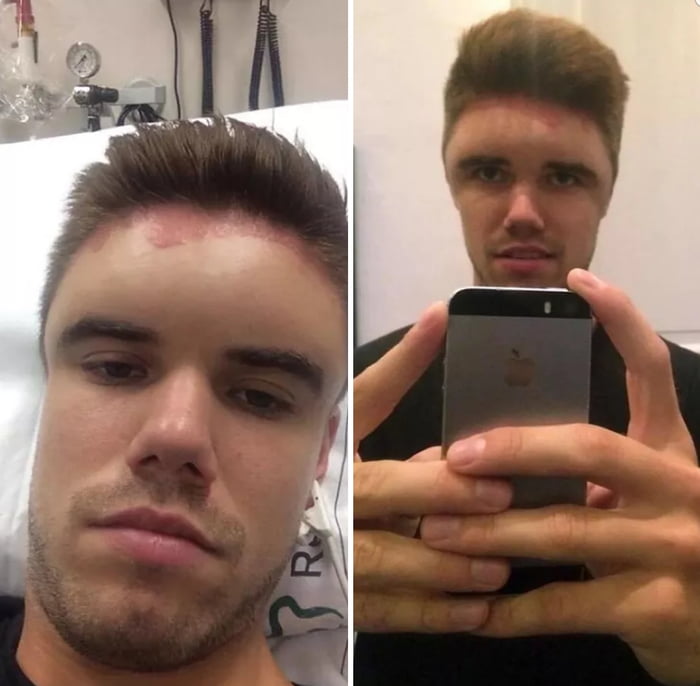
In severe cases, you may have to introduce a topical or oral corticosteroid into your treatment regimen, or even take an oral antihistamine. Before anything is applied, make sure to patch-test the color on your inner wrist or arm to see which colors or brands you react to. This is the most effective way to avoid a rash or reaction to certain dyes. Every color (both at home and professional types) is constituted differently, and it is important to know how you respond to each kind. Please note that mild symptoms, such as redness, itching, and swelling, can progress quickly to very severe ones and should not be ignored. If symptoms are obviously severe, or seem to be progressing, you should get immediate medical help by calling for an ambulance and saying you are suffering from anaphylaxis (pronounced ana-fill-axis).
Reactions to Hair Dye
If your body does not react to the product you are patch testing (there’s no redness, itching, or swelling of the treated area), you can go ahead and use the product. If you want to color your hair but suffer from allergies and you’re not sure what to avoid in a hair dye, this article will help you identify the main culprits and pick the right one. Try switching to a safer alternative, such as a non-permanent, PPD-free hair dye – but be aware that it's still possible to develop a reaction to this. To remedy dermatitis and allergic reactions, first rinse off the dye as much as possible with warm water and a gentle, fragrance-free shampoo (like baby shampoo).
Allergy to hair dye
Can You Have an Allergic Reaction to Hair Color? - Shape Magazine
Can You Have an Allergic Reaction to Hair Color?.
Posted: Thu, 06 May 2021 07:00:00 GMT [source]
Another option is to visit a dermatologist or allergist for a PPD-specific patch test. During this test, a dermatologist will apply a low percentage of PPD in petroleum onto your skin with a patch to test to see if you experience symptoms of an allergic reaction. The influence of cultural and commercial pressures to dye hair and the emphasis on the "culture of youth" play a significant role in this trend. As more people turn to hair dye to express themselves and maintain a youthful appearance, the risk of allergic reactions and their burden on healthcare services continues to grow. However, along with its transformative power, hair dye can also carry potential risks, especially in the form of allergies and adverse reactions. Shockingly, about 38% of those who dye their hair face allergic reactions to the colorant.
Avoiding products with PPD
You can become allergic to a product or substance at any time, even if you’ve used it before. That’s why it’s important to do a patch test prior to using hair dye, even if it’s a tried-and-true brand. Black and dark brown dye colors may contain the greatest concentration of PPD. Any food rich in anthocyanins, the antioxidants that give fruits and vegetables their naturally bright colors, can be a great natural alternative to synthetic food dyes if you're cooking or baking at home. In 2023, the state of California passed a law to ban Red Dye 3, another red food dye, based on concerns about the ingredient’s effects on consumers’ health.
Seek immediate medical assistance if you have a life-threatening allergic reaction, such as anaphylaxis. You may also need to see a doctor if your scalp or skin gets infected if you suffer severe hair loss from hair dye, or if you have a medical condition that affects hair growth and want to color your hair. Anaphylaxis is a serious and potentially life-threatening allergic reaction. It can be caused by a variety of substances, including certain chemicals in hair dyes. If home patch testing or hair dyeing become a regular necessity, many people choose to go to an allergy clinic. Allergy clinics can do their own patch test to help determine what chemicals a person is intolerant of or allergic to.
If you have a hair dye allergy, you can use topical corticosteroid creams to relieve inflammation and itching. Weaker versions of the cream, such as hydrocortisone 1%, are available over the counter (OTC). If you have a severe reaction, such as contact dermatitis from hair dye, blisters, hives, or anaphylaxis, you need to seek medical help as soon as possible.
Organic hair dyes can enhance the shine, tone, and color of your hair without damaging or irritating your scalp. However, they may not last as long as synthetic hair dyes, and they may not cover gray hair completely. You should also check the ingredients of these hair dyes, as some of them may still contain PPD or other allergens.
Numerous substances found in hair coloring solutions have the potential to itch the scalp and trigger allergic reactions. The onset of symptoms, which can take up to 48 hours, can range from mild to severe. The most common cause of allergic contact dermatitis resulting from hair dye exposure is a component known as paraphenylenediamine (PPD).
If you are experiencing contact dermatitis symptoms, you can use honey as a remedy. Honey possesses immunomodulatory properties that can help improve symptoms and reduce rashes (1). She's also currently training as a freelance makeup artist and is passionate about helping others feel beautiful in their skin.
But for now, PPD is still found in many of the products stocked on shelves in stores and salons, so it's important to keep an eye out for any potential side effects or symptoms. And if you do experience an allergic reaction to hair color, even mild contact dermatitis, you should stop using the product and chat with your colorist about other options going forward. For example, one young woman was actually sent to the hospital due to a severe and rare allergic reaction to the chemicals in the boxed dye she was using at home.




No comments:
Post a Comment